



‘BREAKING BUD’: FSRP & CORAF UNEARTH NEW TECHNOLOGIES & INNOVATIONS FOR GHANA
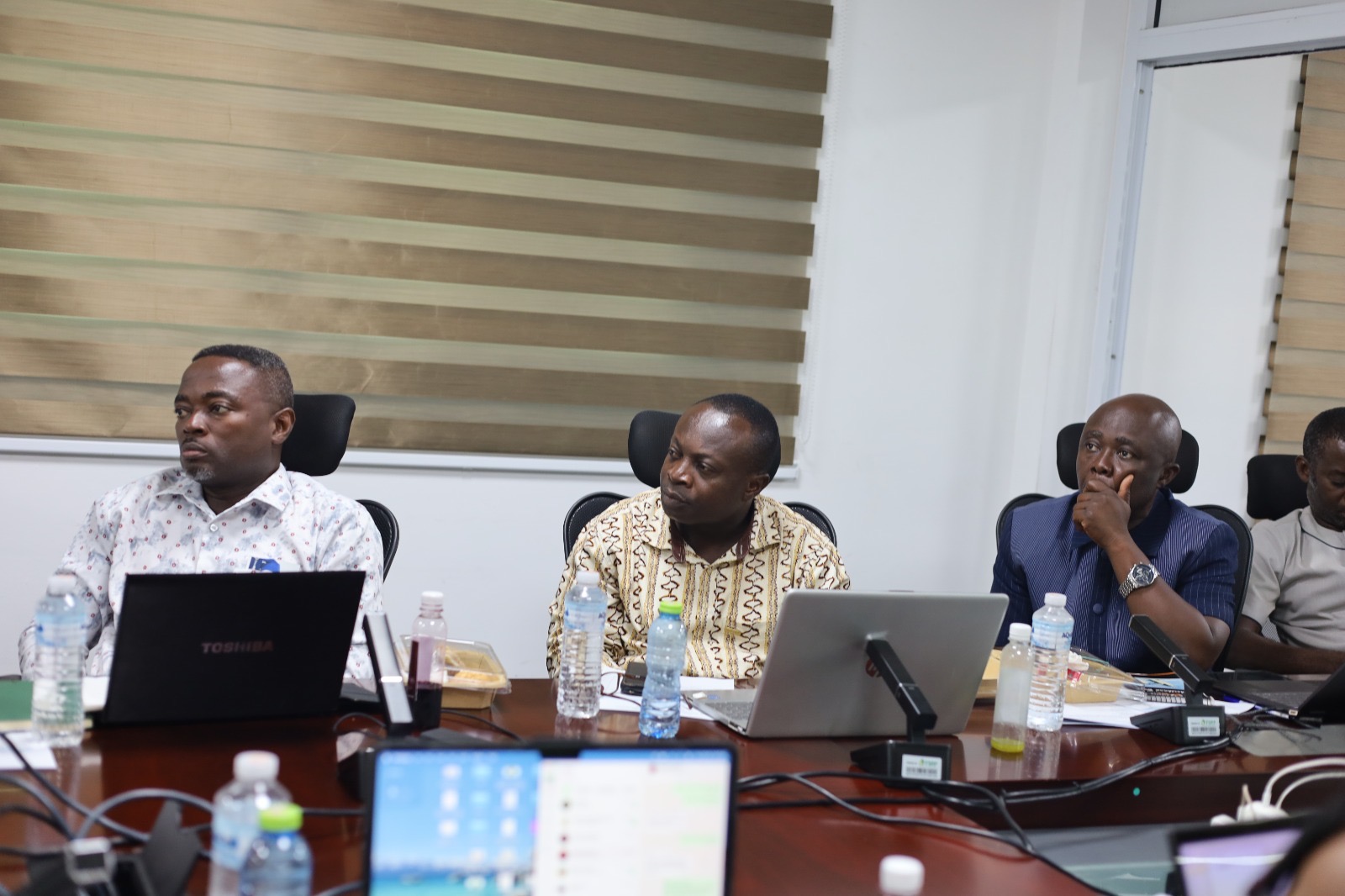
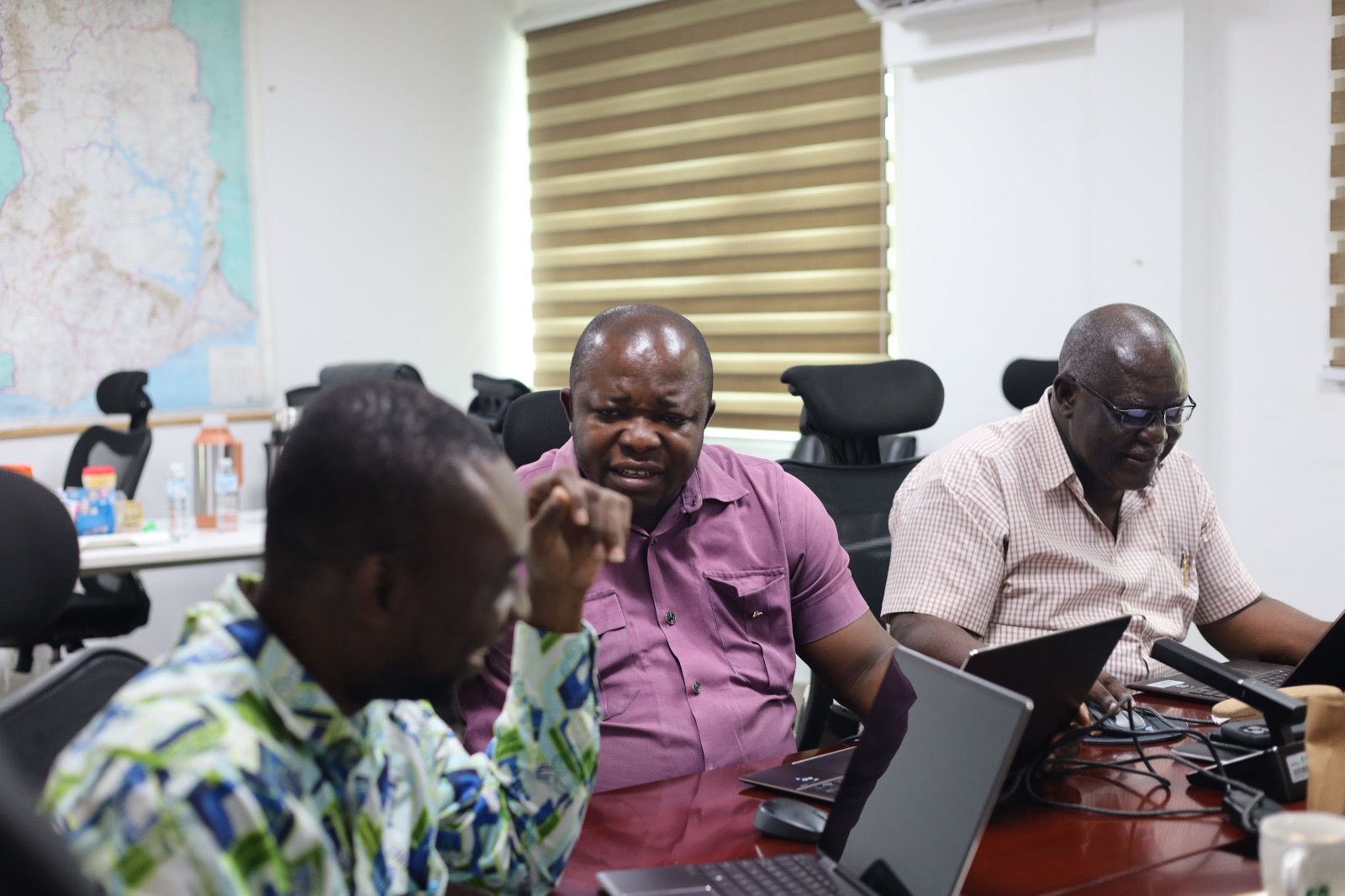
Twenty-five (25) senior experts and researchers from the Ministry of Food & Agriculture (MOFA), the Council for Scientific and Industrial Research (CSIR) and the West Africa Food System Resilience Programme (FSRP Ghana) are currently working with the West and Central African Council for Agricultural Research and Development (CORAF) to evaluate and finalise the climate-smartness of selected technologies and innovative interventions being promoted and disseminated within the country by FSRP Ghana. They are further fine-tuning locally applicable technologies developed by FSRP’s regional research partners – CGIAR - a consortium of international agricultural research institutions and CORAF itself – a regional research body.
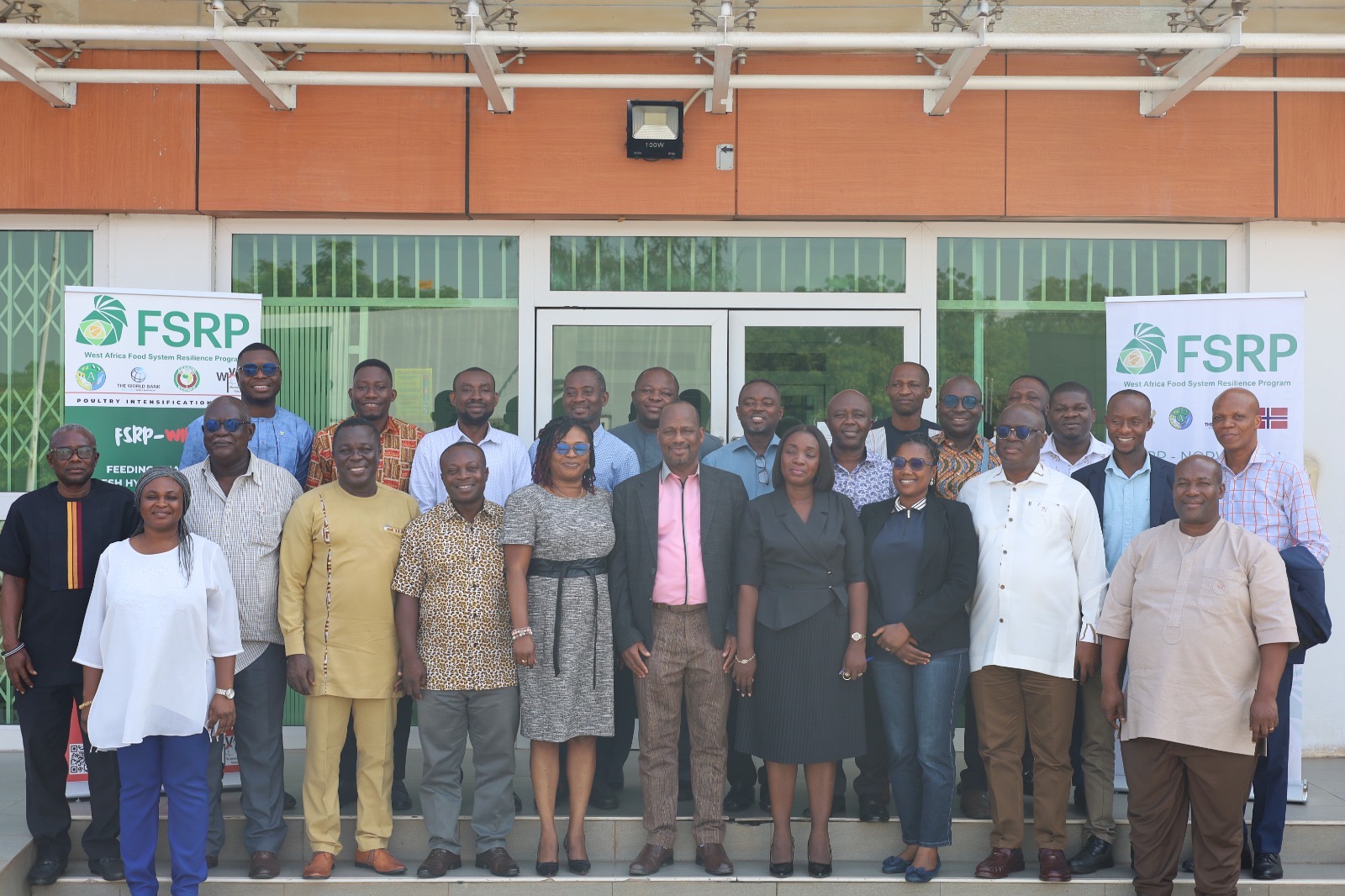 The outcome of the exercise will enable Ghana to fully determine technological packages that are Climate Smart Agriculture (CSA) compliant, as well as finalise Ghana’s ‘Country Brief’ - which documents Ghana’s list of technologies, their characteristics and application. This is in line with meeting a key FSRP objective of promoting at least 15 climate-smart, nutrition-sensitive and youth/gender friendly technological innovations for adoption by stakeholders along the rice, maize, soya, tomato and broiler poultry value chains.
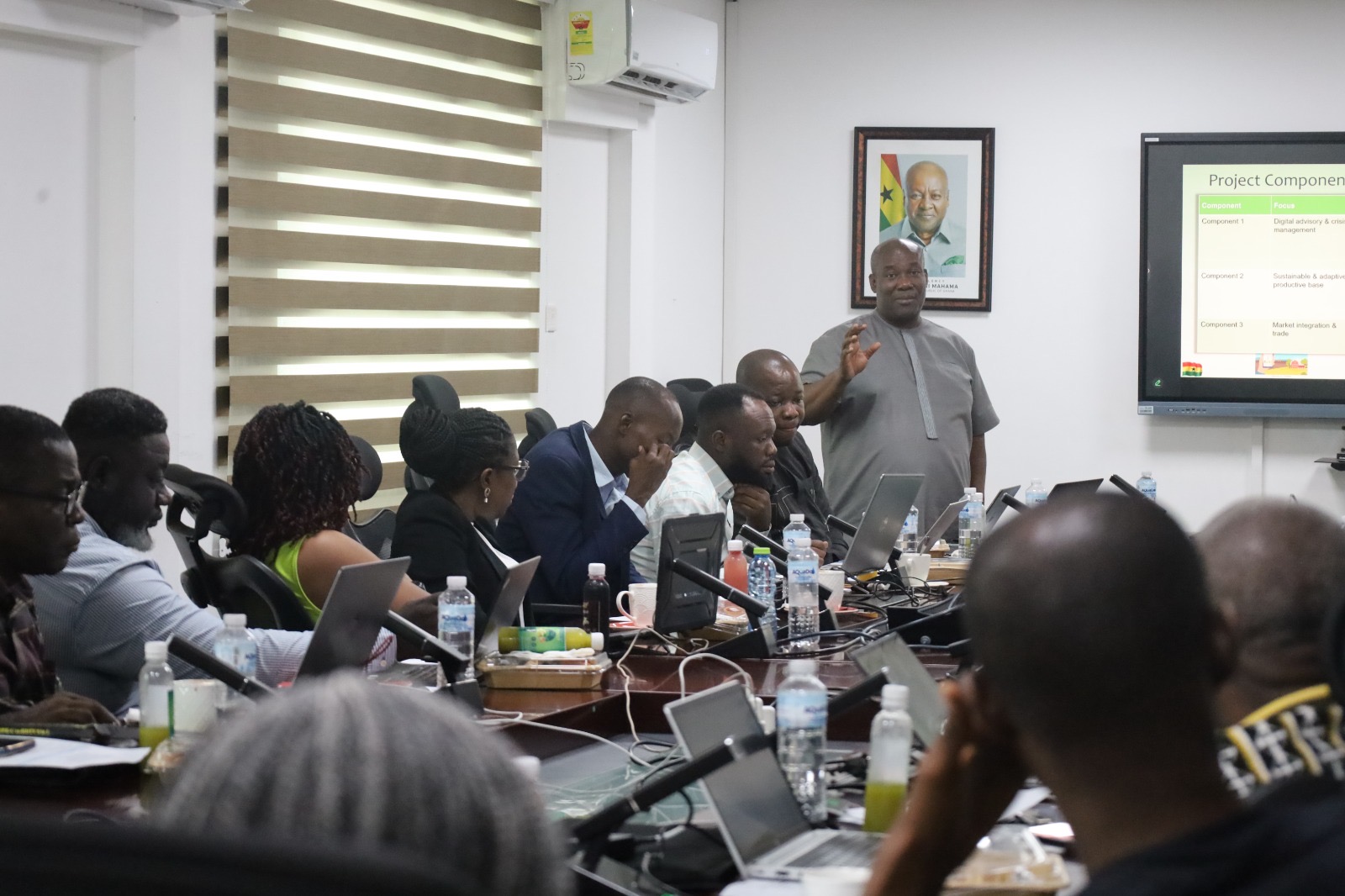
BUSY BRAINS
The representation from MOFA, CSIR and FSRP were selected from the Animal Research Institute (ARI), Crops Research Institute (CRI), Soil Research Institute (SRI), Savannah Agric Research Institute (SARI), Animal Production Directorate (APD), Directorate of Extension Services (DAES), Directorate of Crop Services (DCS), and the Plant Protection & Regulatory Services Directorate (PPRSD) - to identify, review and select locally developed, tried and tested innovations and technologies for smart agricultural practice in Ghana.
The CORAF team coordinating the activity is made up of Prof. Nieyidouba Lamien (Program Manager, CORAF), Dr. Komfa Kyky Ganyo (Soil Scientist, CORAF) and Dr. G. Esaie Kpadonou (Scientist, CORAF).
TECH CHECK
Overall, the team is examining the three pillars of CSA, being: Productivity, Adaptability and Mitigation characteristics of the technologies, to gauge how climate-smart they may be. These include: yields, reduction of post-harvest losses, income potential, work hardship reduction, required soil water availability, required soil structure or disturbance, reduction of work time, water use efficiency, water risk management, nutrient use efficiency (for fertilizers), carbon sequestration, use of fossil fuels, emission reduction and social acceptability, among other features.

RATIONALE
Food production processes in West Africa are facing a myriad of challenges occasioned mostly by the increasing menace of climate change, including land degradation, loss of soil fertility, diminishing biodiversity, increasing threats of pests and diseases, lack of improved seeds, as well as lack of appropriate mechanization; vis-a-vis the need for increased productivity to meet growing food demands. To address these challenges, several innovative technologies have been developed by scientists, practitioners, extensionists, value chain actors, institutional representatives and other stakeholders. However, there is often a gap between the development of these technologies and their adoption in the field.
CORAF
The West and Central African Council for Agricultural Research and Development (CORAF) is a sub-regional research organization comprised of the national agricultural research systems of 23 West and Central African countries which coordinates and facilitates innovative and cutting-edge research outputs necessary to unlock the agricultural potential of West and Central Africa.
They will conduct this exercise in eight (8) FSRP countries in the region to enable them to identify best packages of smart technologies for dissemination.
ABOUT FSRP
The West Africa Food System Resilience Project (FSRP) is a regional project, funded by The World Bank, coordinated by the Economic Community of West African States (ECOWAS) and implemented in 8 countries - to increase West Africa’s preparedness against food insecurity and improve the resilience of food production processes against environmental, social and economic shocks within the region.
In Ghana, FSRP is being implemented by the Government of Ghana through the Ministry of Food & Agriculture (MoFA). To that end, works are fast advancing by FSRP Ghana to construct or refurbish pivotal value chain facilities across the country, including: veterinary laboratories, plant-dedicated laboratories, a seed bank, inner valleys, irrigation schemes, testing labs at selected border posts; warehouses and markets for cross-border bulk trade. FSRP Ghana is also supporting the intensified production of Rice, Maize, Soya, Tomato and Broiler Poultry.
[Accra, February 2026]
Leave a comment
Comments (0)
No comments yet. Be the first to comment!