

FINANCE MINISTRY & WORLD BANK THROW WEIGHT BEHIND FSRP - To Champion Rice Self-Sufficiency In Ghana
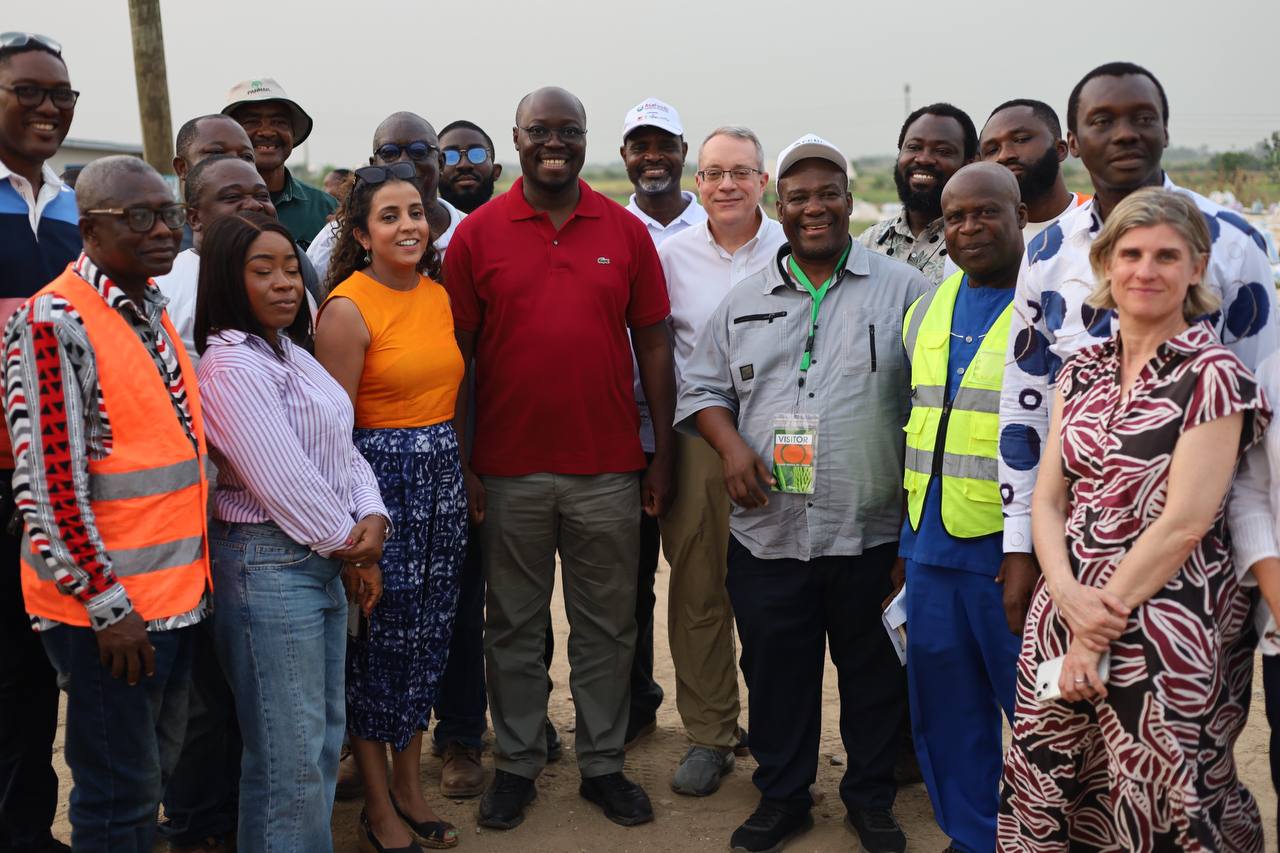
The Minister of Finance,
(Hon. Dr. Cassiel Ato Forson) and World Band Divisional Director for Ghana,
Sierra Leone &... on Friday 30th January 2026, paid a working visit to the
Kpong Irrigation Scheme in a decisive move to scale up the production of rice
in the country – towards making Ghana rice self-sufficient through the West
Africa Food System Resilience Programme (FSRP). They were accompanied by senior
officials of the Finance Ministry, World Bank and FSRP.
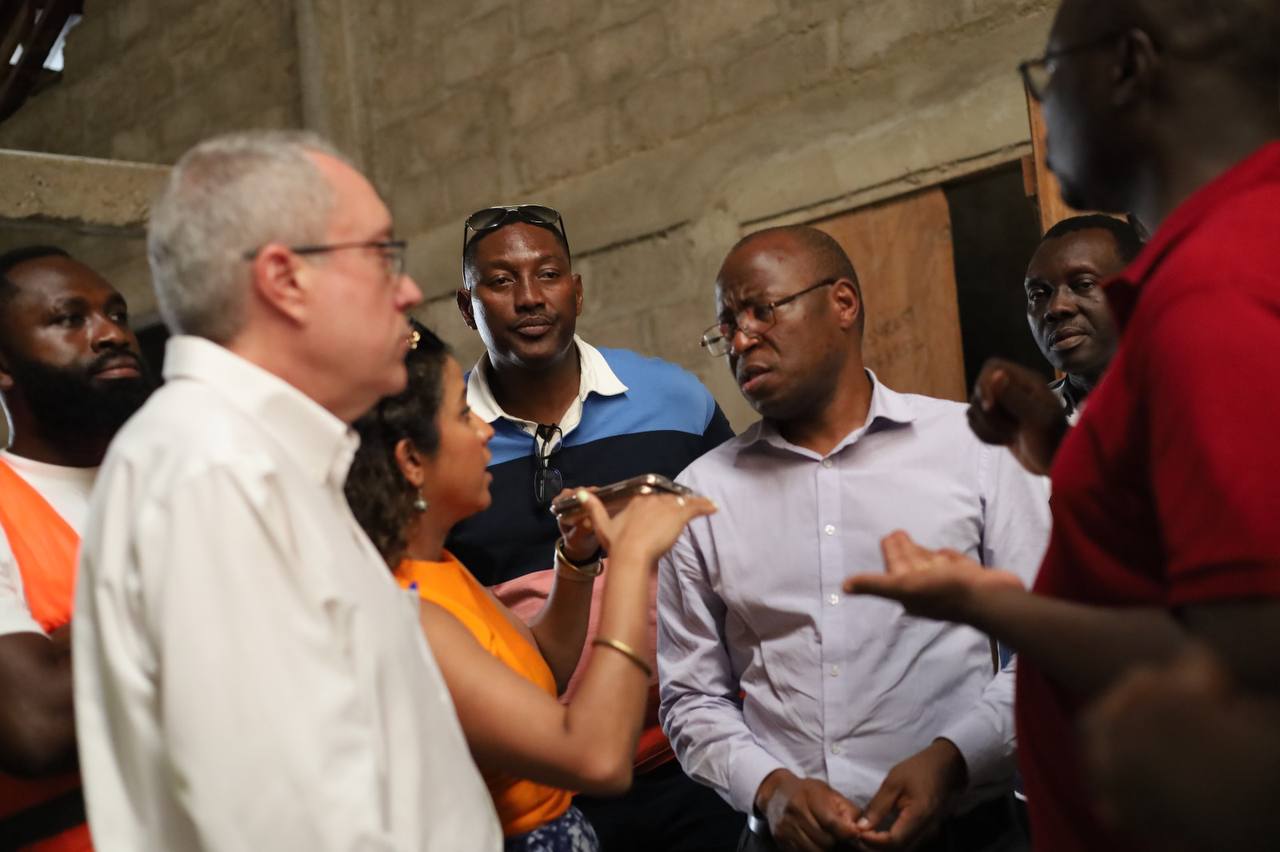
They visited farmlands
that benefit from the Kpong Irrigation Scheme and interacted extensively with
farmers.
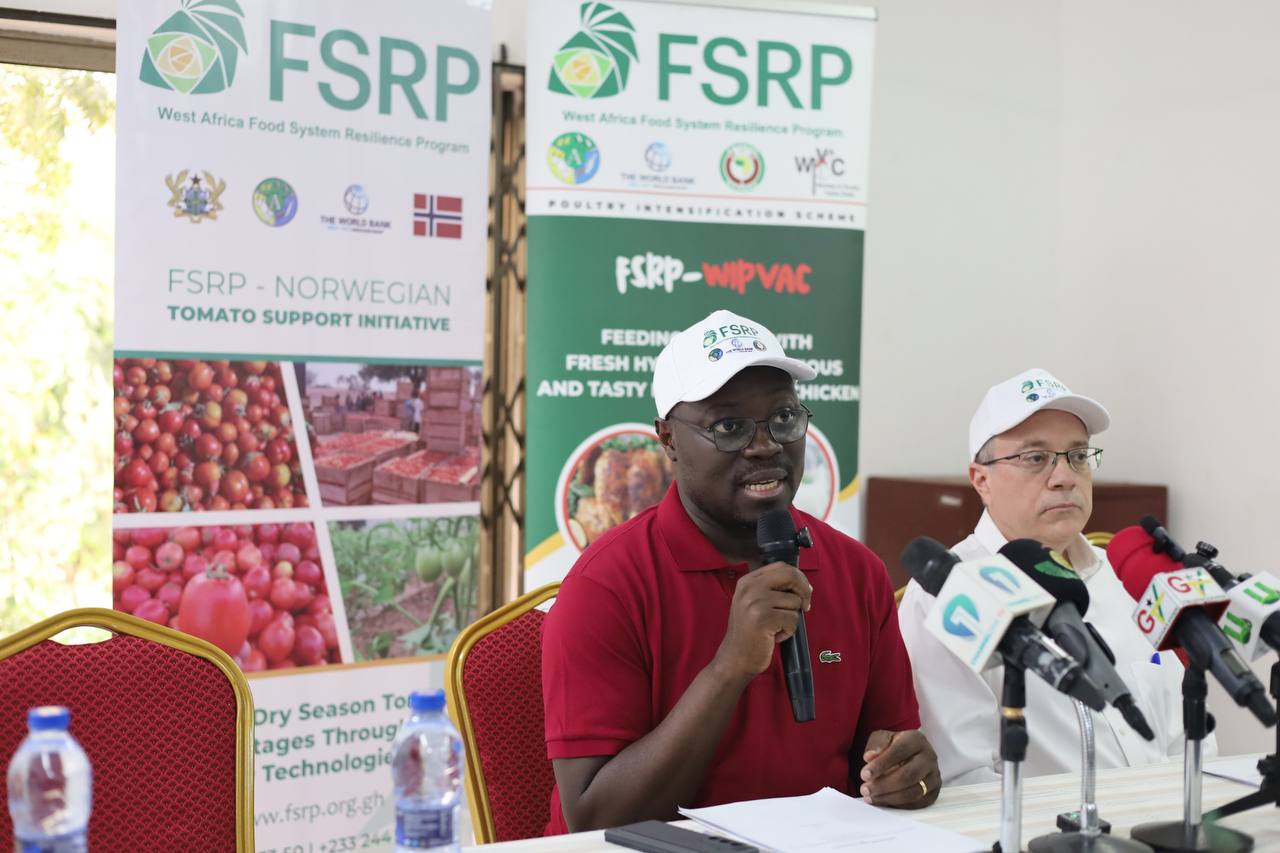
In a press briefing, the Finance Minister Dr. Cassiel Ato Forson admitted that
government alone cannot create all jobs needed for a growing population, and reiterated
government’s desire to create an enabling environment for private sector
investment. He further noted that large-scale commercial agriculture,
particularly rice production, offers a sustainable pathway to job creation and
economic growth. He pledged that government will provide the necessary support
to unlock private capital.
The World Bank’s Division Director for Ghana, Sierra Leone and Liberia, Robert Taliercio Obrien affirmed the bank’s commitment to partnering with Ghana to scale up infrastructure investments that will enable the private sector to grow, create jobs, and strengthen the economy. He announced plans towards a new agriculture programme estimated at one billion dollars, aimed at supporting economic crops, expanding irrigation infrastructure, and improving rural road networks to ensure efficient movement of food and export crops.
THE KPONG IRRIGATION
SCHEME
The
West Africa Food System Resilience Project (FSRP) is pursuing construction activities towards the completion of the rehabilitation and
modernisation of the Kpong Irrigation Scheme [KIS] which covers areas
around Akuse and Asutsuare in the Eastern and Greater Accra Regions
respectively.
The scope of rehabilitation
works to be carried out include:
-
The
rehabilitation of the irrigation and drainage infrastructure
-
The
installation of instrumentation/automation equipment for enhanced water
delivery and management
-
Rehabilitation
of road networks; and the facilitation of the set up of improved management of
the irrigation scheme.
So far, rehabilitation works are
about 75 per cent complete; and when fully operational, the scheme is expected
to irrigate approximately 4,040 hectares of farmland across Kpong and surrounding
communities. The
installation of automation and instrumentation for the irrigation system is
about 30 per cent complete.
This is being carried out at a cost of US$22.6 million, with World Bank funding.
GHANA RICE
SELF-SUFFICIENCY
The model is targeting
the development of at least 100,000 hectares of irrigation systems in 5000-10,000
hectare enclaves with a view to attaining rice self-sufficiency in Ghana. This
is being implemented in concerted combination with other FSRP interventions
including the introduction of smart seed varieties, the application of
climate-smart technologies and production methods, on-field milling and
off-taking through public-private collaborations.
BENEFICIARIES OF KIS
Beneficiaries of the
Kpong Irrigation Scheme include at least 2000 smallholder rice farmers (mainly
around the Asutsuare and Akuse environs); and Golden Exotic – the single
largest organic banana farm and exporting entity in Africa. It also provides
water for several aqua culture companies in Ghana for the production of tilapia
and catfish – the largest fish farm in Ghana.
Other FSRP irrigation sites are: the
Tanoso Irrigation Scheme (in the Bono East Region), the Vea Irrigation Scheme
(in the Upper East Region), the Weta Irrigation Scheme (in the Volta Region).
ABOUT FSRP
The West Africa Food
System Resilience Project (FSRP) is a regional project, funded by The World
Bank, coordinated by the Economic Community of West African States (ECOWAS) and
implemented in 8 countries - to increase West Africa’s preparedness against
food insecurity; and improve the resilience of food production processes
against environmental, social and economic shocks within the region. In Ghana, FSRP is being implemented by
the Government of Ghana through the Ministry of Food & Agriculture (MoFA). To that end, works are fast advancing
by FSRP Ghana to construct or refurbish pivotal value chain facilities across
the country, including: veterinary laboratories, plant-dedicated laboratories,
a seed bank, inner valleys, irrigation schemes, testing labs at selected border
posts; warehouses and markets for cross-border bulk trade. FSRP Ghana is also
supporting the intensified production of Rice, Maize, Soya, Tomato and Broiler
Poultry.
[Asutsuare,
Feb. 2026]
Extensive
media coverage of this activity is available on our social media platforms:
[facebook link]
https://www.facebook.com/share/1DvCZg3mcy/?mibextid=wwXIfr
[X link]
[LinkedIn link]
https://www.linkedin.com/company/west-africa-food-system-resilience-programme-fsrp-ghana/
[Instagram link]
https://www.instagram.com/fsrp_ghana?igsh=MTEyNWNwMWw0NjZmdQ==
Leave a comment
Comments (1)
How to apply the frsp