



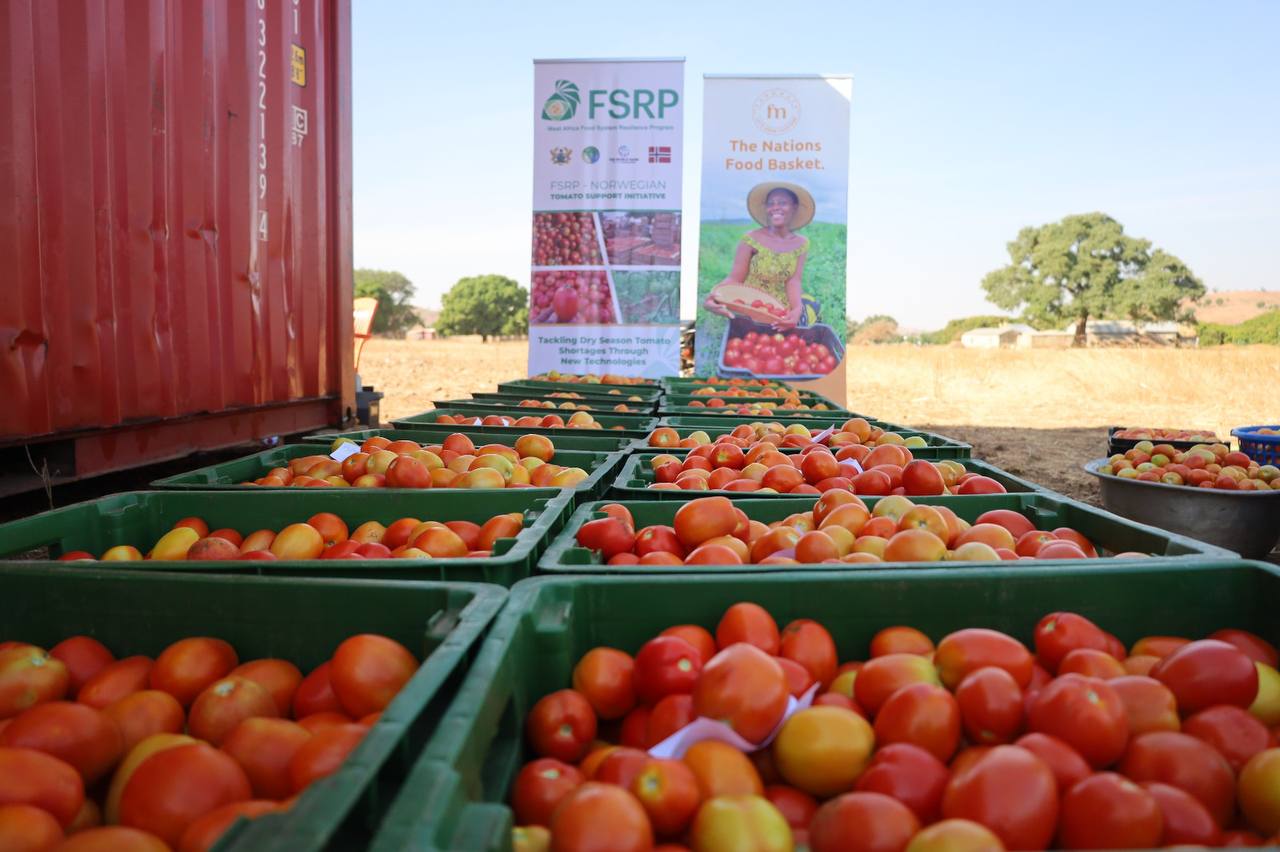
FSRP & FARMMATE TOMATO PROGRAMME YIELDS 240 TONNES IN THE UPPER EAST REGION
Incoming
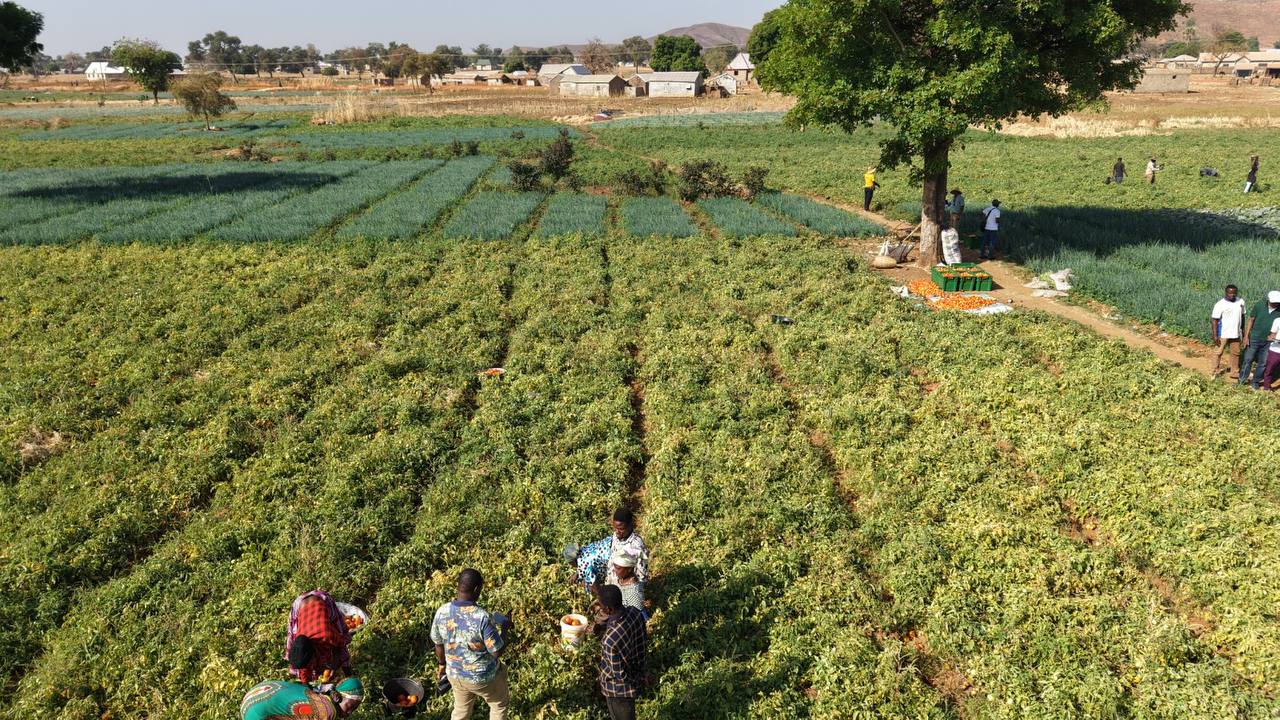
harvests from a Tomato production collaboration between the West Africa Food
System Resilience Programme (FSRP) and FarmMate Ltd in the Upper East Region
are meeting targeted yields of 240 tonnes in the first round.
This
forms part of interventions by FSRP - under the Ministry of Food &
Agriculture, to address the yearly nationwide incidence of tomato shortages and
fluctuating prices, especially during the dry season. The scheme is being
carried out through financial support from the Government of Norwegian and
coordinated by the World Bank to revamp the Ghanaian tomato industry for
year-round availability of the produce by way of dry season production.
FSRP STANDS FOR “INNOVATION”
FSRP’s
value chain commodities (rice, maize, soya, tomatoes and broiler poultry) are
produced using climate-smart agricultural practices and innovations. Under the
programme, farmers are receiving inputs from FSRP in the form of smart seeds,
agro chemicals like enhanced blended fertilizers with micronutrients, organic
manure and pesticides (organic and inorganic) and extension advisory services.
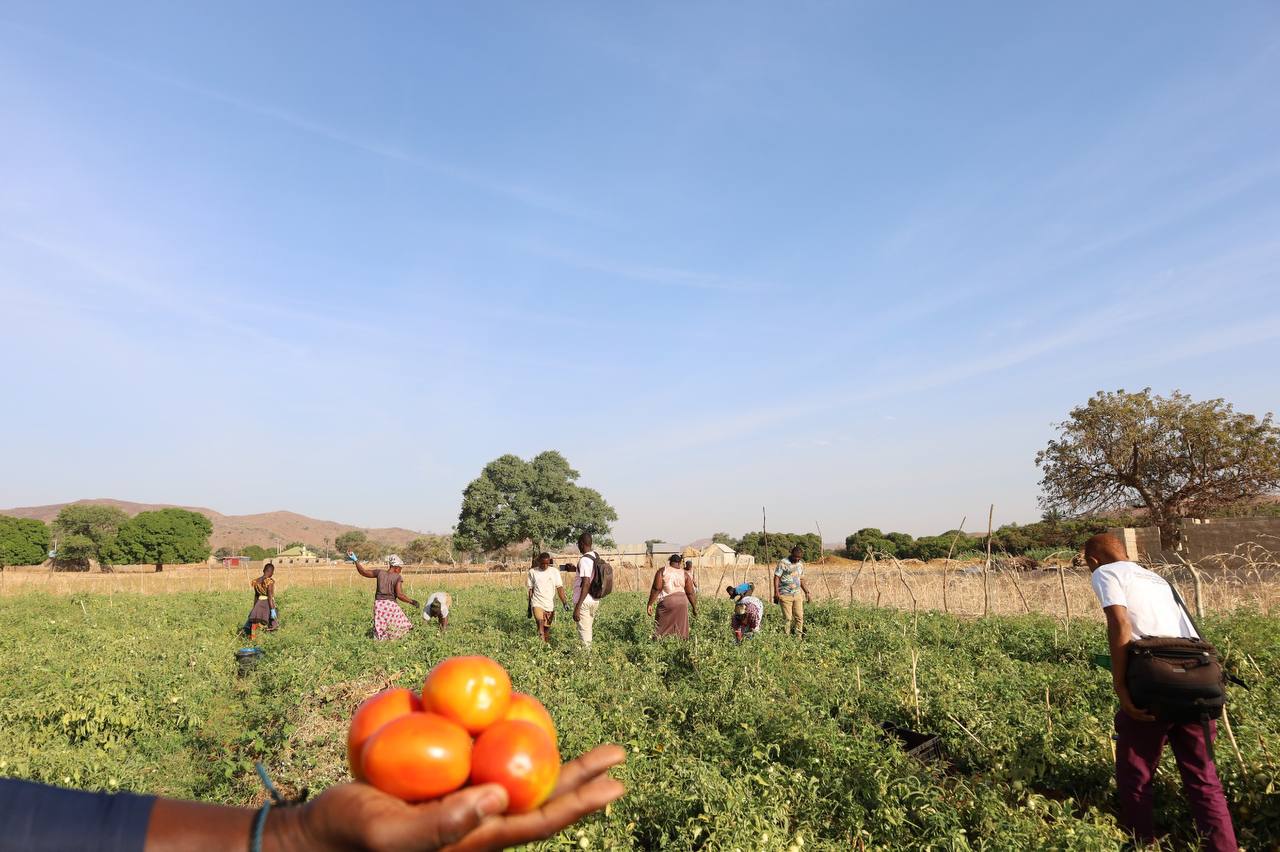
FarmMate on its part, is giving farmers close extension support, monitoring and
immediate offtake of harvests.
From
the farms, FSRP/FarmMate tomatoes are conveyed mostly to the Greater Accra
Region, to major markets (like Agbogbloshi and CMB) and premium markets (like
Palace Mall and Shoprite, within 24-36 hours.
THE FSRP-FARMMATE HOOK-UP
The
FSRP-FarmMate collaboration is geared at leveraging productive private sector
linkages with farmers to optimise the production and facilitate timely off-take
and marketing of tomatoes for the fresh and value addition (tomato puree)
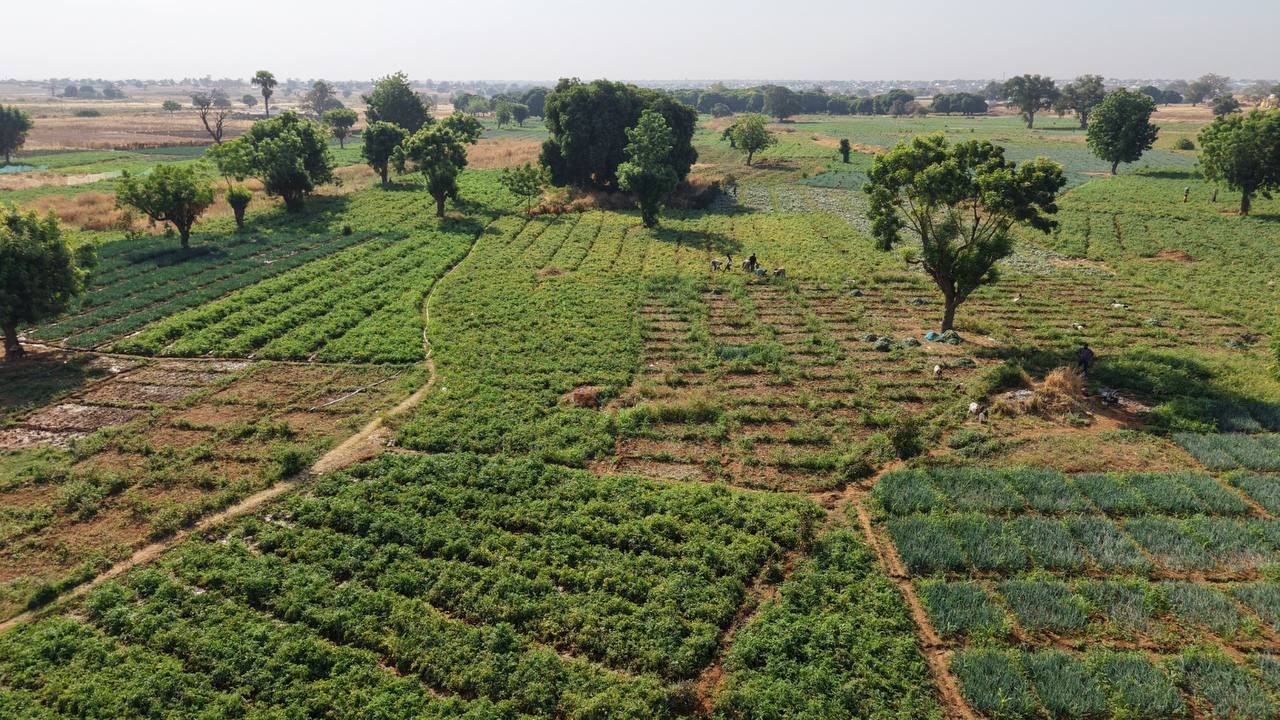
markets. The FSRP-FarmMate collaboration covers 200 acres across the country,
110 of which are in the Upper East Regions with about 100 farmers in the Zebila
(in the Bawku West District), Pwalugu (in the Talensi District) and Tono
Irrigation Scheme and Navrongo (in the Kasena Nankana District). The other
locations are: Ningo-Prampram, Okere, Kwahu East, Akumadan Irrigation Scheme
and Asunafo South districts.
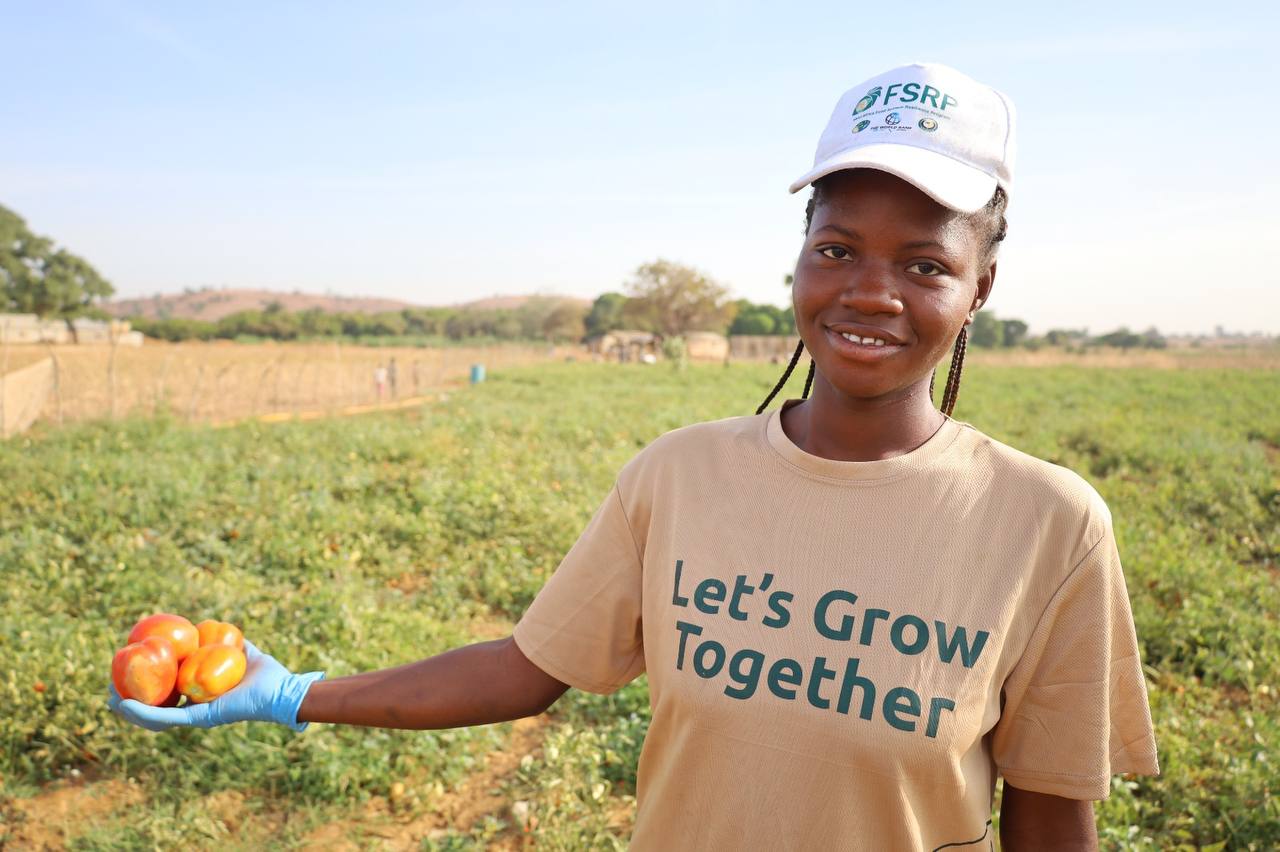
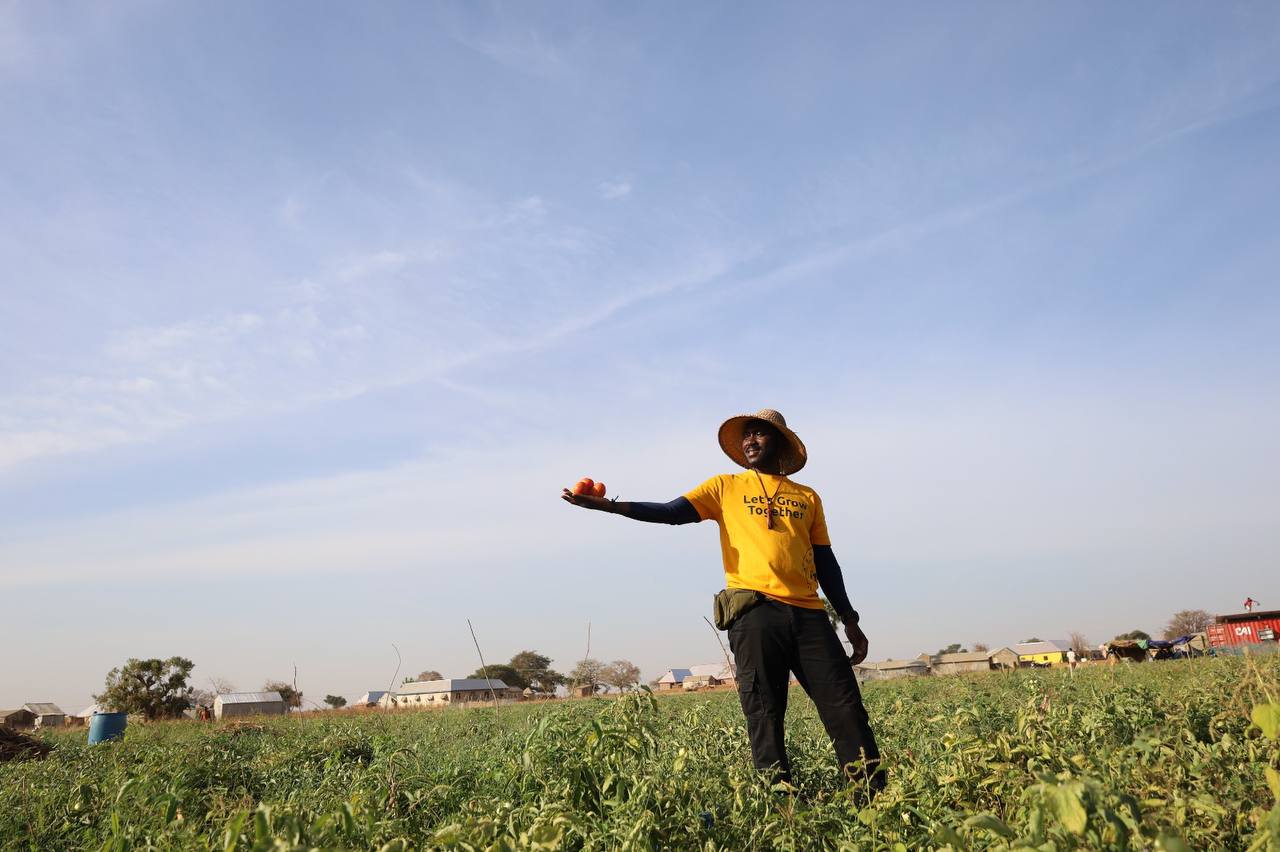
Beyond the collaborations with FarmMate, the FSRP Tomato Support Programme is being carried out in 20 Districts in six (6) regions. It involves 1,500 farmers, of which 40% are women. So far, the intervention has resulted in yields of approximately 10Tons per hectare and at the end of the 2025 dry season. Yields are expected to reach 15 Tons per hectare. FSRP targets the production of 6000 Metric tonnes of tomatoes by the end of the intervention.
BACKGROUND
Tomatoes are an essential part of the Ghanaian diet, accounting for 40 percent of vegetable expenditures. However, only 34 percent of the 1.4 million tons of tomatoes consumed annually in Ghana are produced locally. This results in substantial imports (especially between Dec and May). Challenges that confront the local tomato industry include: the use of poor-quality seeds; the absence of seeds well adapted to local seasons and climate variabilities; pests & diseases control lapses; poor agronomic/farm practices; post-harvest losses (ranging from 20% to 60%); and the absence of innovative storage methods. All these lead to low average yields of 8.3 metric tons per hectare (instead of potential yields of 20 metric tons per hectare); leading to sharp fluctuations between glut/low prices (during peak season harvests) and shortages/dramatically high prices (during off-seasons).
ABOUT FSRP
The
West Africa Food System Resilience Project (FSRP) is a Government of Ghana
project, funded by The World Bank, coordinated by the Economic Community of
West African States [ECOWAS] and implemented in 8 countries (Sierra Leone,
Senegal, Ghana, Togo, Burkina Faso, Niger, Chad and Mali). In Ghana, FSRP is being implemented by the
Ministry of Food and Agriculture (MoFA). The project development objective is
to increase West Africa’s preparedness against food insecurity and improve the
resilience of food systems in Ghana
[Bolga;
January 2026]
Leave a comment
Comments (0)
No comments yet. Be the first to comment!